Categories
Past Research

RA Choice Update

Tool update and digitization to facilitate shared decision-making in rheumatoid arthritis (RA Decision Aid 2.0)

Grant info: Gerlinger Award, (PI:Barton)

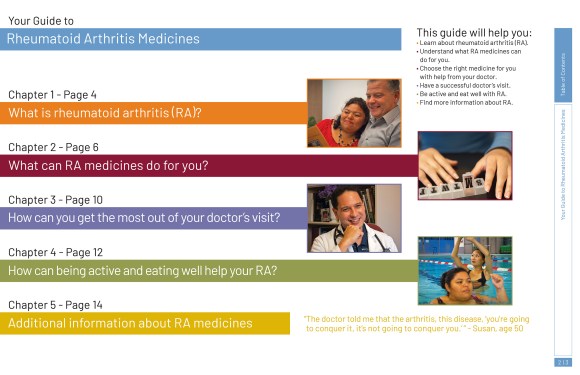
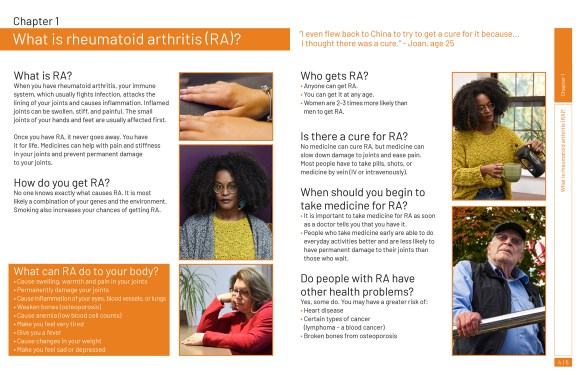
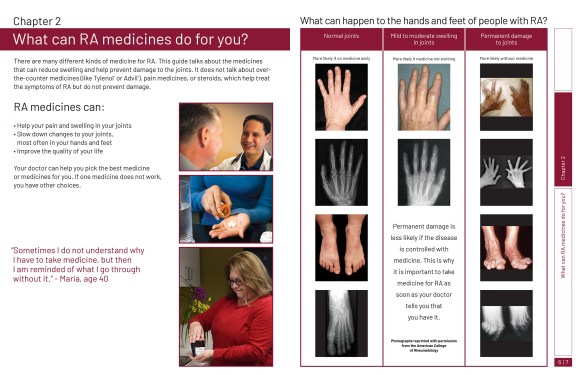
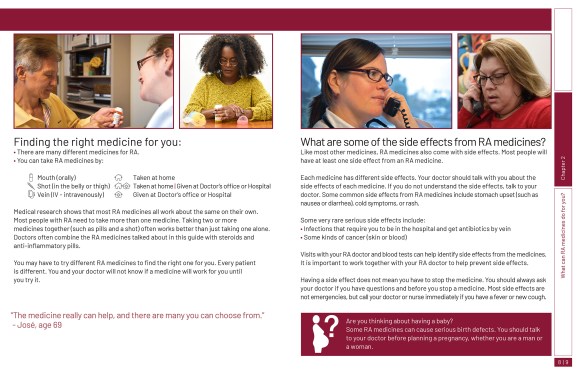
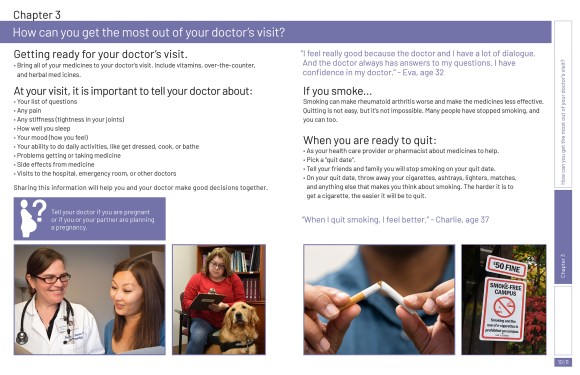
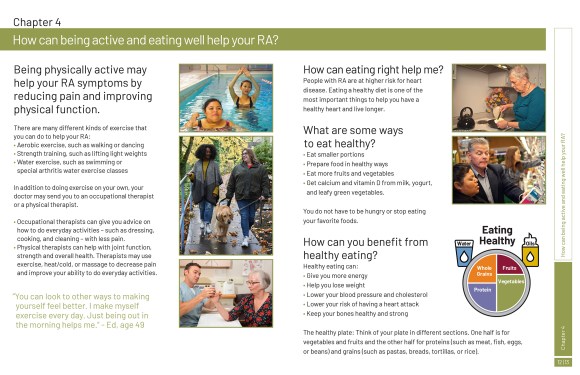
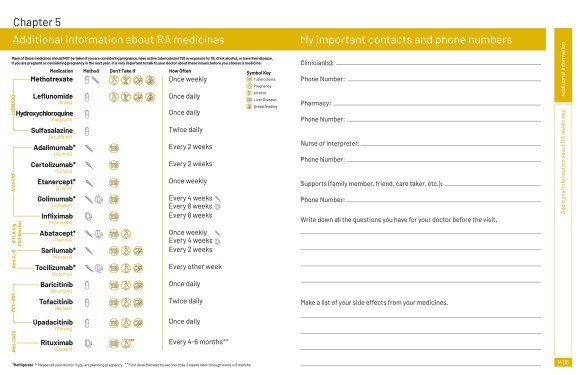
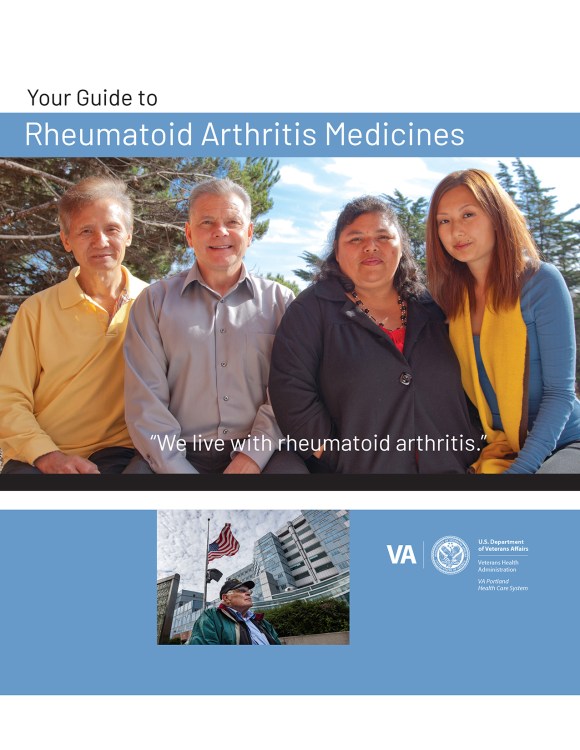
RA Decision Aid 2.0 is low literacy, multilingual medication summary guide, and decision aid tool for RA patients and clinicians developed by a multi-stakeholder team including Dr. Barton. This tool was designed to facilitate shared decision-making when patients and clinicians collaborate to identify how to best address the patient’s situation. Past research has shown the tool improves patient knowledge and decision quality, but it has not been tested broadly. To keep pace with recent therapeutic advances and most effectively support shared decision-making for all RA patients, RA Decision Aid 2.0 aimed to update and digitize the RA medication summary guide and decision aid; and to evaluate the acceptability and feasibility of the use of the updated, print, and digital medication summary guide and RA Decision Aid 2.0 among persons with RA and their clinicians. This project updated and revised tools in order to be more widely disseminated to rheumatology clinics, clinicians, and RA patients within the VA system and beyond to increase the quality and efficacy of care; thus meeting the VA goal of contributing to national research which improves healthcare. In addition, a major objective of this project was to increase patient involvement in care.

Categories
Current Research

Medication Guide

Categories
Current Research

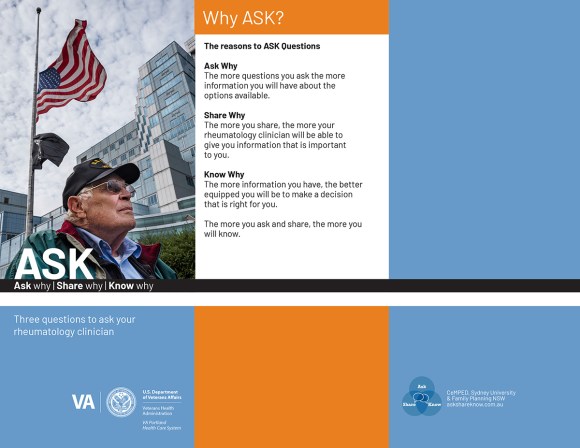
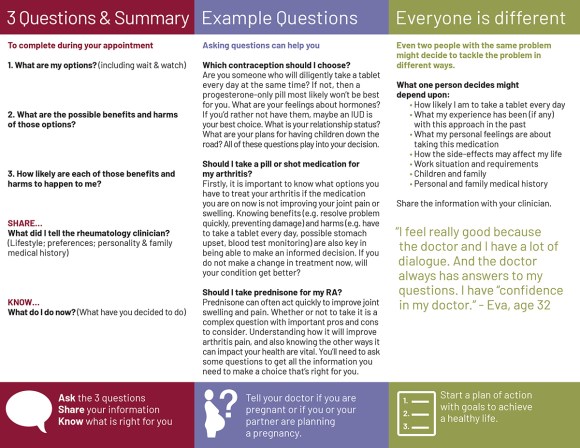
Ask Share Know

Categories
Current Research

Shared Decisions

Please visit ClinicalTrials.gov for more information on the study.

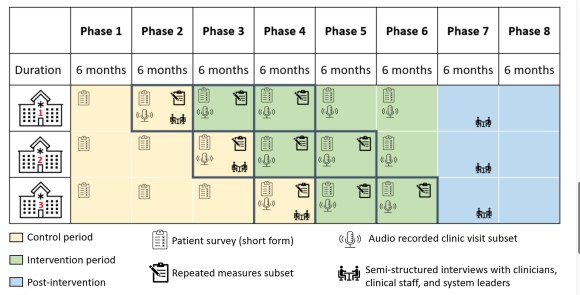
Implementation of Shared Decision Making in Rheumatoid Arthritis: A Stepped Wedge, Cluster-randomized Trial (RAiSeD)

RAiSeD is a VA-funded, active research study that aims to evaluate the effectiveness of multi-component shared decision-making (SDM) intervention for patients with rheumatoid arthritis (RA) within the Veterans Health Administration (VA). RA affects up to 1% of the population, and 2% of those 60 and older, causing reduced quality of life and disability. Men with RA have twice the risk of death as the general population. Treatment decisions after failure with first-line therapy (methotrexate) are complex, involve trade-offs in terms of harm and require individualized decisions. SDM is the first principle of the RA treat to target guidelines and has been proposed as a way to reduce disparities. However, uptake of SDM is suboptimal and significant gaps in knowledge of effective interventions to support SDM exist – particularly in VA. Veterans with RA are disproportionately male, have more comorbidities, and have higher mortality rates in comparison to the general population. The RAiSeD study has the potential to speed the translation of SDM research within VA and nationally and to improve the quality of care for all persons with RA.

Categories
Past Research

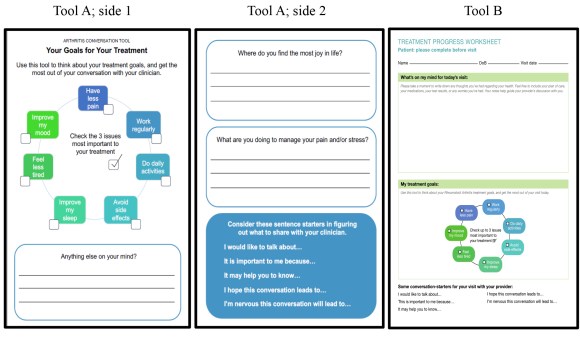
Rheumatoid Arthritis Goal Elicitation Tool

In this 5-year NIH-funded career development award (Principal Investigator: Barton), GoRA (Goal Concordance in Rheumatoid Arthritis in Diverse Populations, NIH K23 AR064372-05) aimed to better understand rheumatoid arthritis (RA) patient goals for therapy, whether those goals correspond with those of clinicians, whether concordance is associated with RA outcomes, and how best to intervene to improve communication. We developed novel patient and clinician measures of goal priorities for RA treatment using an iterative process that included a literature review as well as focus groups with patients and clinicians. We then used this measure as part of a brief survey for patients and clinicians to complete prior to a scheduled rheumatology visit to gauge treatment goals and measure concordance (agreement) between patients and clinicians.

What did we find? Through the focus groups, we found that knowledge is a shared goal, but RA patients and clinicians hold divergent attitudes toward this goal. While knowledge is integral to self-management and effective shared decision-making, mismatches in attitudes may lead to suboptimal communication. Through the survey study, we found that one in five patient-clinician dyads were discordant (unaligned) around RA treatment goals. Patients with longer RA disease duration were more likely to be discordant with their clinician. This may highlight shifting goals over time for patients (more focus on function and mood with longer duration). Goal concordance was independently associated with higher adherence, which suggests that clearer communication around treatment goals may lead to improved adherence and outcomes. These findings suggest that tools to support patient goal-directed RA care may promote high-quality patient-centered care and result in reduced disparities.

Download the GoRA Tool

Categories
Past Research

Veterans with RA

The Quality of Care study objective was to determine the proportion of US Veterans with Rheumatoid Arthritis nationwide receiving care in VA who were prescribed a DMARD annually over the past decade and, for 2017, to identify Veteran- and system-level correlates of DMARD receipt. Past reports have suggested that the quality of care in general among Veterans is higher than patients who receive non-VA care with respect to many quality indicators. It is largely unknown, however, to what degree Veterans with rheumatoid arthritis (RA) — who are disproportionately male in contrast to the general RA population and may be of lower socioeconomic status — receive high-quality rheumatologic care. Using administrative health data, we determined the annual proportion of Veterans with RA who received a disease-modifying anti-rheumatic drug (DMARD) increased from a rate of 76% in 2006 to 85.6% in 2017. Additional factors such as female sex, age >80, and substance use disorder, Rheumatology shortage area, lower facility-level complexity, and residing in the Southeast region were associated with lower rates of DMARD receipt.  In a separate nationwide survey study, VA rheumatology clinicians reported suboptimal experience and satisfaction with telerheumatology. Clinicians agreed that telehealth is essential to increasing access to care and indicated that telerheumatology is most useful for managing, as opposed to diagnosing, rheumatologic conditions but the inability to perform a physical exam, the training of presenters at the patient sites, and phase of care were all identified as barriers. RA has been associated with a two-fold increased mortality risk compared to the general population, with a heightened risk among males with RA.  Given the makeup of the VA RA population and increased mortality among men with RA, it is imperative that Veterans with RA receive high-quality care.